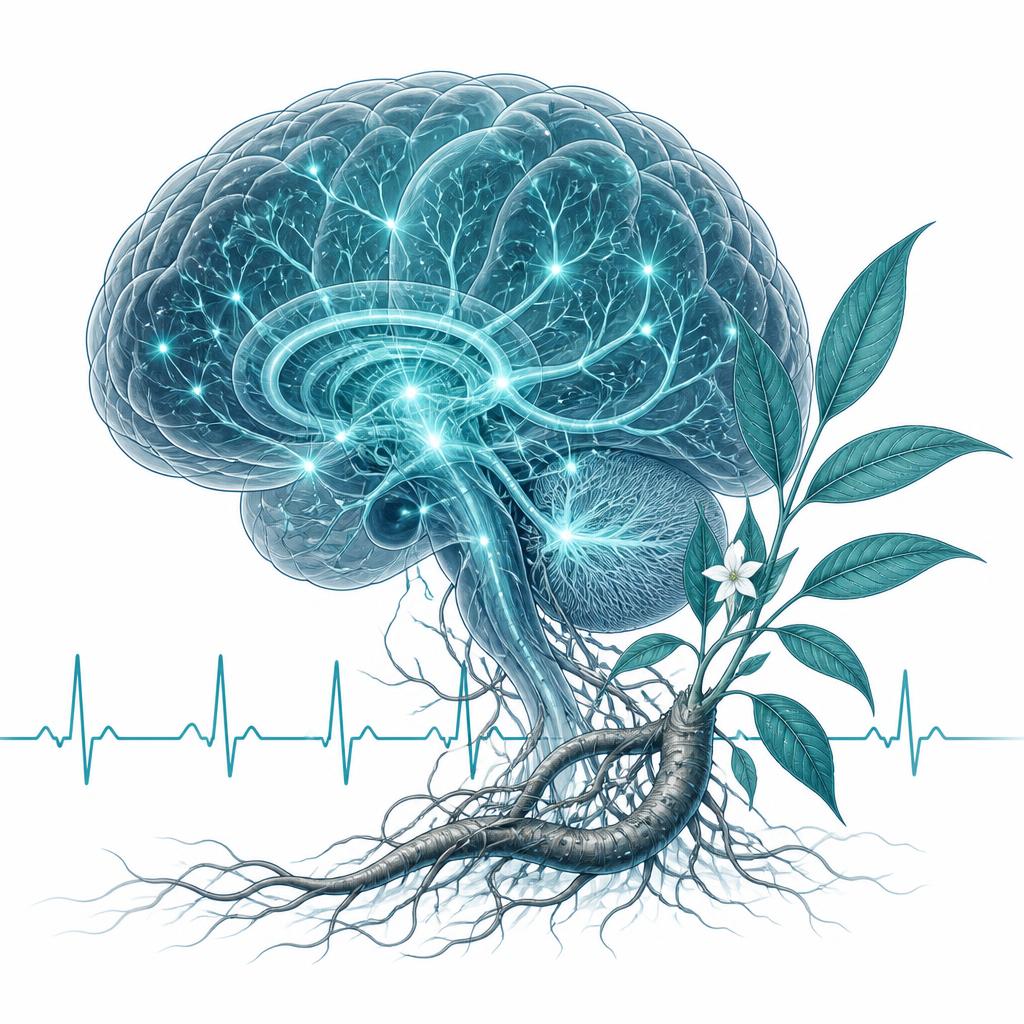
Ibogaine is an alkaloid from the root bark of Tabernanthe iboga, a shrub native to Central West Africa and central to the Bwiti spiritual tradition of Gabon.[Nat. Prod. Rep. 2021] It is not a recreational experience and not a quick fix.
People describe two phases: a long visionary state of dreamlike, autobiographical recall, followed by a quieter reflective period of days or weeks where the psychological work happens. For opioid dependence, the most consistent reported effect is the interruption of withdrawal and craving — an opening, not a cure. Similar reports extend to alcohol, cocaine, and methamphetamine, though the evidence is more preliminary.[Molecules 2026 scoping review]
Research also points to a biological reset. Ibogaine and its metabolite noribogaine appear to promote neuroplasticity — the brain's ability to rewire pathways — and to normalise dopamine signalling disrupted by long-term substance use.[Front. Pharmacol. 2025] In effect, the reward circuitry may be restored closer to its pre-addiction baseline, which helps explain why craving and withdrawal can diminish so rapidly after a single supervised session. In veterans with traumatic brain injury, a single magnesium-supported session produced sustained improvements in functioning, PTSD, depression and anxiety.[Nature Medicine 2024]
In New Zealand, ibogaine is an unapproved medicine that a doctor may prescribe under Section 25 of the Medicines Act.[Medsafe, Section 25] That means a prescriber, screening, and medical supervision — not mail order, and not self-treatment.